Loading...


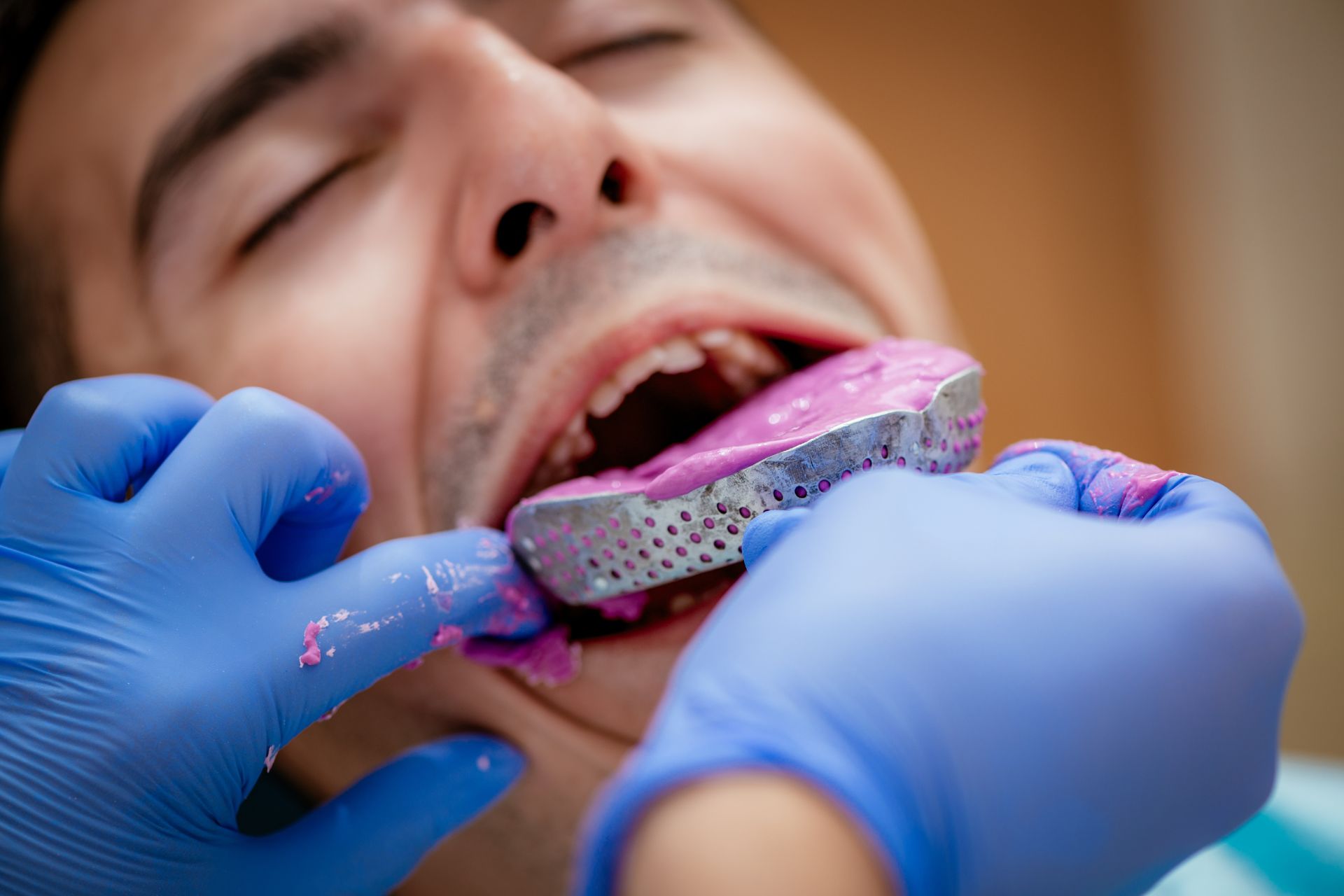
Teeth grinding, also known as bruxism, is a common yet often overlooked problem that affects both oral health and overall well-being. Many people clench or grind their teeth at night without realizing it, leading to issues such as jaw pain, worn-down teeth, and headaches. If left untreated, bruxism can contribute to more serious dental problems, including tooth fractures, cavities, and gum recession.
A dentist can help diagnose and treat bruxism effectively, preventing long-term damage to your teeth and jaw. In this article, we’ll explore the causes of teeth grinding, the symptoms to look out for, and the best treatment options available in modern dentistry.
What is bruxism? Understanding the effects of teeth grinding on oral health

Bruxism refers to the unconscious habit of grinding or clenching your teeth, usually during sleep. While occasional teeth grinding may not cause significant harm, chronic bruxism can lead to severe dental issues, including:
- Tooth wear and fractures – Continuous grinding erodes the enamel, increasing the risk of cavities and sensitivity.
- Jaw pain and headaches – The constant tension in the jaw muscles can cause chronic pain and discomfort.
- Gum recession – Excessive pressure on the teeth can weaken the surrounding gum tissues, leading to exposure of tooth roots.
- Tooth misalignment – Prolonged grinding can shift the position of teeth, potentially requiring braces or dental correction.
How a dentist in Portugal diagnoses and treats bruxism
A dentist can identify bruxism through a thorough examination, checking for signs of wear and tear on teeth, gum recession, and jaw tension. Some patients may also need X-rays to assess any underlying issues with their jaw or teeth alignment.
What causes teeth grinding? Common reasons patients seek dental care for bruxism
Several factors contribute to bruxism, and identifying the underlying cause is key to effective treatment. Some of the most common reasons include:
- Stress and anxiety – Many people unconsciously clench their teeth in response to stress.
- Sleep disorders – Conditions such as sleep apnea are often linked to nighttime teeth grinding.
- Bite misalignment – When teeth do not fit together properly, it can lead to involuntary grinding and clenching.
- Lifestyle factors – Excessive alcohol consumption, smoking, and caffeine intake can increase the likelihood of bruxism.
- Dental issues – Poorly fitted crowns, fillings, or dental implants can sometimes contribute to grinding.
When to visit a dentist in Lagoa for bruxism symptoms
If you experience chronic headaches, jaw pain, or sensitivity, it’s essential to consult a dentist for a full evaluation. Early diagnosis can prevent the need for more invasive dental treatments such as root canals or tooth extractions. Looking for a dentist Lagoa? The two DentalSul clinics in the Algarve offer modern and professional treatments.
Symptoms of bruxism: when to seek help from a dentist
Many people are unaware that they grind their teeth until symptoms become severe. Some key signs to watch out for include:
- Worn-down or chipped teeth – A dentist may notice this during a routine checkup.
- Jaw pain and tightness – Especially upon waking.
- Frequent headaches – Particularly in the temples or forehead.
- Increased tooth sensitivity – Due to enamel erosion.
- Discomfort when chewing – Caused by excessive tooth pressure.
How dentistry solutions like crowns and braces help protect teeth from grinding
If your bruxism has already caused damage, a dentist in Lagoa may recommend protective crowns, fillings, or braces to restore and realign your teeth.
Treatment options: how dentistry can help stop teeth grinding

There are several dentistry treatments available for managing bruxism, depending on the severity of the condition.
Custom dental night guards: protecting teeth while you sleep
One of the most effective treatments is a custom night guard, designed by a dentist in the Algarve to prevent teeth from grinding against each other. Unlike store-bought guards, a custom-made device fits comfortably and provides maximum protection.
Orthodontic treatments: braces and dental implants for better alignment
If bruxism is caused by a bite misalignment, a dentist may recommend braces or dental implants to correct the positioning of your teeth. This can significantly reduce clenching and grinding.
Stress management and lifestyle changes
Since stress is a major factor in bruxism, relaxation techniques such as meditation, yoga, and jaw exercises can help alleviate symptoms. A trusted dental clinic in Lagoa such as DeltalSul may also suggest avoiding caffeine and alcohol before bedtime.
Can bruxism lead to more serious dental problems? Understanding long-term risks

If left untreated, bruxism can result in severe dental damage that may require extensive dental care, including:
- Tooth extractions due to fractures or structural damage.
- Root canals if excessive grinding exposes the tooth pulp.
- Gum issues, increasing the risk of infection and sensitivity.
Emergency dental care for bruxism-related tooth damage
In extreme cases, untreated bruxism may require emergency dental treatments, such as tooth extractions, fillings, or crowns to restore damaged teeth.
When to visit a dentist in Portugal for bruxism treatment

If you suspect that you suffer from bruxism, it’s best to visit a dentist for early intervention. A timely diagnosis can prevent the need for major dental treatments such as implants, crowns, or extractions.
Contact us today for expert dental care in Lagoa and Algarve
At our dental clinic in Lagoa, we offer advanced dental solutions to help you manage bruxism effectively. Whether you need a custom night guard, dental correction, or stress management advice, we’re here to help restore your oral health and protect your smile.

0 comentários em “Bruxism and teeth grinding: why it happens and how a dentist in Portugal can help”